The Importance of Nuisance Wildlife Removal
Wildlife and wildlife habitats are important to all of us. Based on the 2016 National Survey of Fishing, Hunting, and Wildlife-Associated Recreation, over 103 million US residents fished, hunted, or watched wildlife in 2011. They spent almost $157 billion pursuing these recreational activities. Unfortunately, wildlife can damage property, be a nuisance, and pose threats to human health and safety. Economic losses associated with wildlife damage approach $3 billion annually, demonstrating a clear need for effectively addressing negative impacts. The purpose of this manual is to provide the information needed to help people resolve conflicts with wildlife. Wildlife damage management is a form of wildlife management and conservation and is highly regulated by federal and state laws.
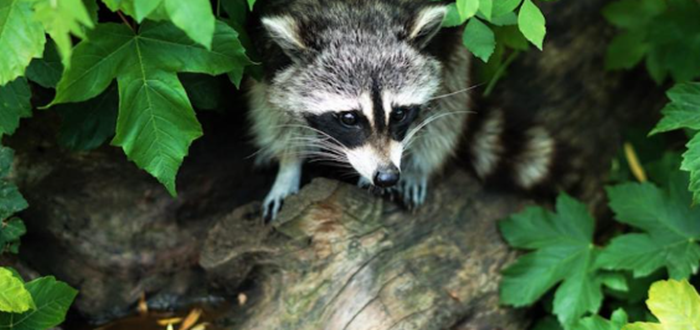
Many times, homeowners are reluctant to call a nuisance wildlife specialist because they feel empathy toward the animals. They don’t want them harmed or euthanized. Neither do we. But the truth is that there are situations when an animal becomes a danger to people and pets and has to be removed. We try to do this as humanely as possible and relocate animals if it is permitted by law. But in all cases, we put the safety of your family and pets above that of an animal that should not be where it is. The importance of nuisance wildlife removal is growing as humans continue to push further into areas that used to be predominately woodlands or farmland. As housing developments sprout up and the trees disappear, many types of wildlife are forced to coexist with us.
The training covers the basic skills needed to effectively deal with a variety of wildlife issues. It focuses on wildlife identification, knowledge of wildlife habitat, and the skills to modify the habitat or capture, contain and dispatch an animal. Most people can master the techniques required to resolve wildlife conflicts using the methods of wildlife damage management. Managing, controlling, and capturing wildlife is a highly regulated activity. Whether the conflict with wildlife is simple or complex, your response should follow be professional and ethical. Federal, state, and local laws and regulations must be obeyed. Safety practices should be followed. You will need knowledge of biology, habitat, signs, and damage caused by various species and you must be an advocate for wildlife. Be sure to review the species information after the training modules.
Health Risks: Most everyone enjoys watching nature. Seeing squirrels, chipmunks, and birds in your yard can bring a relaxing calm to your daily routine. In fact, we become accustomed to seeing them so often we do not recognize them as a risk. After all, these are not one of Ohio’s few predators like coyotes or foxes. There are risks, however. Nuisance wildlife can pose a serious health risk to you, your family, and your pets. Many types of wildlife carry diseases or parasites that can be transferred to humans. When an animal finds its way into your home to nest, they bring with them its waste. The feces and urine they deposit around the nest area are filled with bacteria, viruses, or parasites. These can cause serious illness and even death in some instances.
Damage to Your Home: Most wildlife that nest inside your home will cause damage to the area around the nest site. Chewed wood, insulation, and electrical wires are all common when raccoons, squirrels, and rats invade your home. Damage to drywall and interior walls is also common with some species of nuisance wildlife. In some cases—as with a bat infestation—the build-up of bat guano can result in thousands of dollars in cleanup and repair costs. Many nuisance wildlife found in the home took advantage of an existing hole or gap to get inside, but once in they’ll usually widen the hole or make more as they turn your home into theirs. By the time you hear the sounds or see the signs of an animal in your home, they’re already well established. At this point, the dame may already be done.
Outdoor Encounters: Not all nuisance wildlife issues take place in your home. Oftentimes, seeing a raccoon, fox, or coyote in your yard or near your home is not a good sign. These animals are supposed to have a natural fear of humans. But many times that isn’t the case. The less a predator sees you as a threat the more likely they are to come near you. Raccoons are well known for raiding gardens, dog food dishes, and trash cans outside of a home. There is an increasing number of reports of coyotes attacking and carrying away small, leashed dogs, taking them right from the owner during a walk. Occurrences such as these happen because these animals have lost their fear of humans. The less an animal fears you, the more likely it is to attack you if it feels threatened, or has young nearby and feels you are in its territory. While this does not happen often—it does happen.
Alpha Wildlife Knoxville
2401 E Lamar Alexander Pkwy, Maryville, TN 37804, Estados Unidos
Comments
Post a Comment